APV Plate Heat Exchangers
APV plate heat exchangers support efficient heating, cooling, regeneration, pasteurization, and utility duties where compact footprint, thermal performance, cleanability, and service access matter.
Plate heat exchangers are compact, efficient, and very duty-specific.
APV plate heat exchangers are usually the first heat-transfer conversation for clean, pumpable products where high thermal efficiency, close temperature approach, service access, and a compact footprint matter. The right design depends on the duty, product, pressure drop, fouling behavior, gasket compatibility, sanitation expectations, and whether the process is hygienic, industrial, chemical, or utility-driven.
Flexible plate packs
Gasketed units can be configured around duty requirements and opened for inspection, service, plate changes, or gasket replacement.
Food and beverage duties
Useful for heating, cooling, pasteurization, regeneration, and CIP-able processes where sanitary construction and cleanability are central.
Safety and application options
DuoSafety, ParaWeld, Zephyr, and application-specific plate designs can matter where leakage risk, aggressive fluids, vapor duties, or industry demands change the design basis.
Heat-transfer equipment should be selected around the duty, not the category name.
Plate, tubular, and scraped-surface options solve different process problems. Product viscosity, fouling behavior, particulates, sanitation, heat recovery, and available pressure drop determine which path deserves the first look.
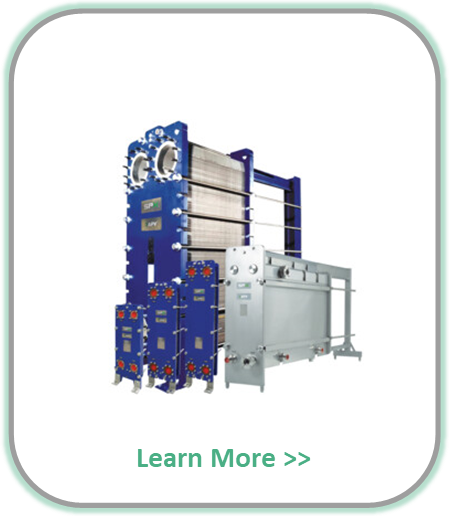
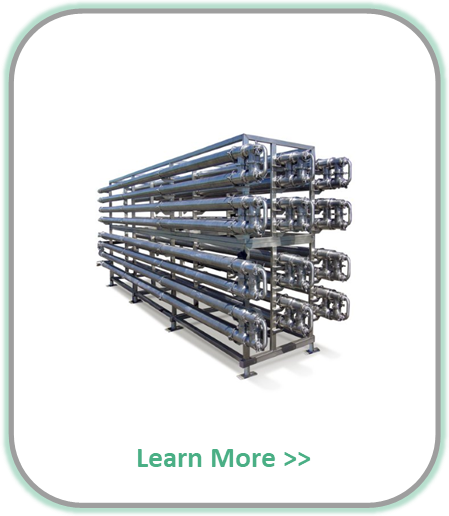
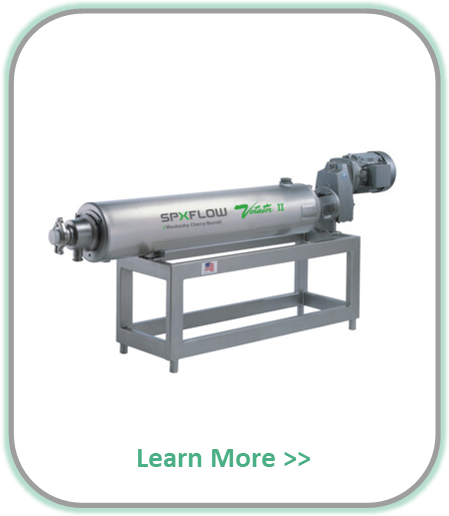
APV Plate Heat Exchangers Overview
A visual overview of APV plate heat exchanger design considerations and serviceability.
Useful questions before sizing.
| Input | Why it matters |
|---|---|
| Product and fluids | Viscosity, particulates, protein/fouling tendency, chemistry, and cleanability affect plate pattern, gasket material, velocity, and service interval. |
| Temperature program | Heating, cooling, pasteurization, regeneration, approach temperature, and heat recovery drive exchanger area and utility demand. |
| Pressure drop | Available pump head and process limits influence plate count, channel arrangement, and whether a different heat exchanger style should be considered. |
| Service access | Space to open the frame, remove plates, inspect gaskets, and clean the unit should be part of the layout discussion. |
APV PHE brochures and manuals in the resource center.
Brochures and application sheets are listed in the brochure center under Heat Exchange. The gasketed PHE IOM is listed in Manuals.
APV / SPX FLOW references used.
This page is based on public APV/SPX FLOW product pages, literature, and related resource documents. Triplex can verify current availability and model fit for a specific project.
Need to narrow equipment fit?
Send the product, flow rate, temperature profile, pressure/utility limits, cleaning requirements, materials of construction, and what problem the existing process is trying to solve.
Talk to Triplex